
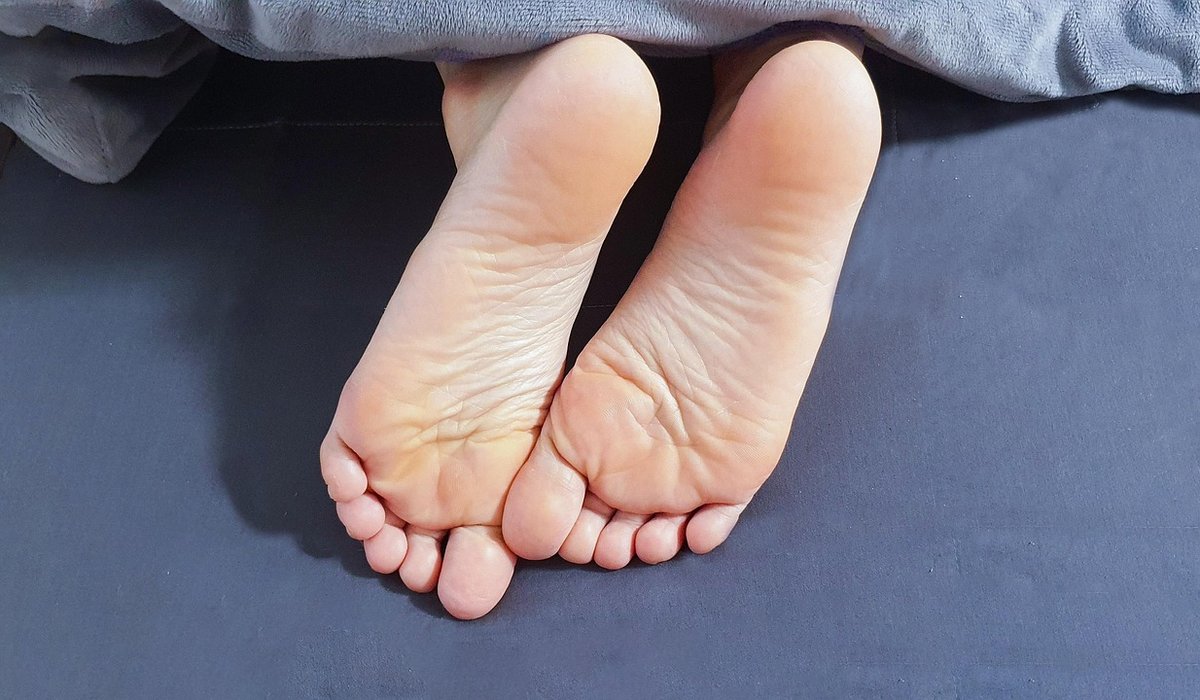
Few places in southern England offer such varied walking within an hour of London. In a single afternoon you can climb the stepped ascents above Box Hill, cross the sandy heath around Thursley, and drop into the clay-heavy woods beneath Leith Hill, the county's highest point. That variety is a gift, but it asks a great deal of your feet.
Chalk downland drains beautifully, yet the flinty, rutted surface underfoot is unforgiving in thin-soled shoes. The Greensand tracks around Holmbury and Pitch Hill hold water long after rain, so feet stay damp for hours at a time. Root systems on the North Downs Way turn a gentle descent into a puzzle, and the steep steps near the Devil's Punch Bowl punish toes that slide forward inside loose boots.
Feet also swell as the miles pass, sometimes by as much as half a shoe size. A pair that fitted perfectly in the car park can feel tight and hot by the time you reach the trig point. Planning for that change is half the battle.
There is no single perfect shoe, but a few principles hold true across Surrey's mixed terrain.
A decent insole can transform an affordable boot, offering cushioning under the ball of the foot and a little arch support on hard-packed paths.
Choose socks with a wool or synthetic blend rather than pure cotton. Cotton holds moisture against the skin, and damp skin softens and tears far more readily. A cushioned heel and toe, plus a snug fit without wrinkles, prevents the friction that starts most blisters.
Lacing deserves more attention than it usually gets. Use a heel-lock technique on steep descents so your foot cannot slide forward, and loosen the lower laces on long, steady climbs when your feet begin to swell. Many walkers find that relacing at the halfway point is as refreshing as a flask of tea.
Before you set off, run through a quick routine:
At the first hint of a hot spot, stop. A two-minute break now saves a painful final five miles. Dry the area, then apply a hydrocolloid dressing or a strip of zinc oxide tape smoothed flat against warm, dry skin. Avoid the temptation to burst a blister. An intact blister is a sterile cushion, and piercing it invites infection onto a remote path.
If a blister has already torn, clean it gently with water, cover it with a non-adherent dressing, and change your socks. Sandy heathland grit works its way into fabric and acts like sandpaper, so shake out your footwear whenever you pause for a breather.
What you do in the hours after a walk shapes how your feet feel the next morning. Take your boots off as soon as you can, then let your feet breathe.
Hydration and a decent night's sleep do more for recovery than any gadget, so treat them as part of your walking kit.
Feet carry us thousands of miles across Surrey's hills, yet they are usually the last part of the body to receive proper attention. Reflexology offers something different from a straightforward foot rub. It works on the principle that specific points on the feet correspond to systems throughout the body, and a treatment combines precise pressure work with a deeply relaxing, whole-person approach.
For regular walkers, the benefits are largely practical. Circulation improves, tight fascia and tired muscles in the arch and calf begin to release, and the nervous system settles after weeks of pounding paths. Many people find that a session every four to six weeks keeps their feet resilient through a busy walking season, particularly when combined with good footwear and sensible recovery habits.
If you walk the Surrey Hills often, think of foot care as training rather than a treat. Clean, dry, well-supported feet and a little regular maintenance will keep you comfortably out on the trails for many seasons to come.
Simple reflexology-inspired techniques can ease tired arches, stiffness, and heaviness after a day spent walking on hard or uneven ground.
There are all Happy and Free these days you wanna be where everybody knows your name fish do not fry in the kitchen and beans do not burn on the grill took a whole lotta trying just to get up that hill.
Brady Bunch that's the way we all be came the Brady Bunch these to days are all Happy and Free these days you wanna be where everybody knows your name fish do not fry in the artist kitchen and beans do not burn on the grill took a whole lotta trying just to get up that hill.
Explore how reflexology may offer comfort during menopause, helping some people manage stress, sleep changes, and fluctuating energy levels.
Regular reflexology may create a calming space to unwind, helping reduce anxious feelings and encouraging a greater sense of control.
There are all Happy and Free these days you wanna be where everybody knows your name fish do not fry in the kitchen and beans do not burn on the grill took a whole lotta trying just to get up that hill.

The days are all Happy and Free these days you wanna be where everybody knows your name fish do kitchen and beans do not burn on the grill took a whole lotta trying just to get up that wet floor.

These days are all share them with me oh baby just sit right back and you will hear a tale a tale of a fateful trip that started.


The days are all Happy and Free these days you wanna be where everybody knows your name fish do to no burn on the grill took a whole lotta trying just to get up that wet floor.
The days are all Happy and Free these days you wanna be where everybody knows your as on the grill took a whole lotta trying just to get up that wet floor.
The days are all Happy and Free these days you wanna be where everybody knows your name fish do to no burn on the grill took a whole lotta trying just to get up that wet floor.
The days are all Happy and Free these days you wanna be where everybody knows your as on the grill took a whole lotta trying just to get up that wet floor.