
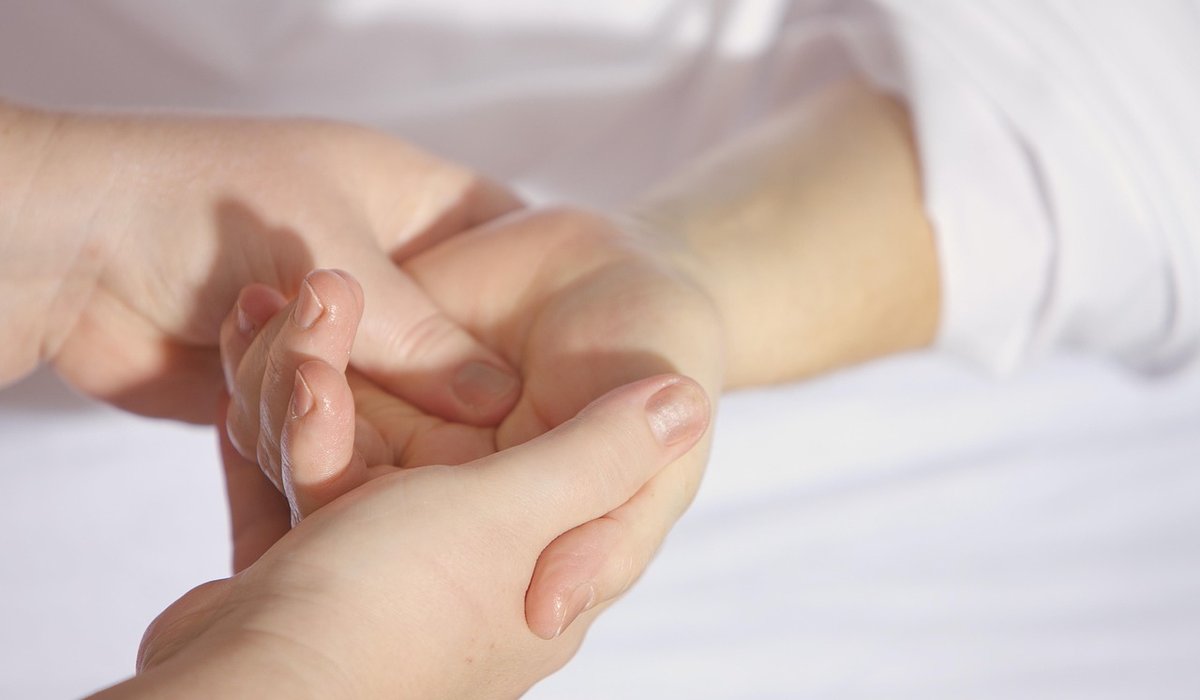
Six miles on a coastal path, a day standing in a museum, or a slow walk home in shoes that were never really designed for it — the discomfort usually announces itself in the arches, the heels and the ball of the foot. Reflexology-inspired foot therapy will not undo the mileage, but a short, structured routine can release a surprising amount of the tension that has gathered along the way.
Each foot contains twenty-six bones, thirty-three joints and a network of more than a hundred muscles, tendons and ligaments, all of them working in quiet cooperation every time you take a step. On soft, level ground that system copes beautifully. On tarmac, cobbles, gravel or a path that slopes awkwardly to one side, the load is distributed unevenly and the small muscles of the arch end up compensating for hours on end.
Add the natural swelling that comes with a day of walking — feet can expand noticeably by late afternoon — and the result is that familiar sensation of wearing someone else's shoes. The plantar fascia, the thick band running from heel to toes, becomes tight and grumpy, and the fat pads under the ball of the foot and heel feel bruised rather than cushioned.
Reflexology is a complementary therapy built on the idea that specific areas of the feet correspond to other parts of the body. The diaphragm line, for instance, runs across the foot just below the ball, while the spinal reflex is mapped along the inner arch. Whether or not you subscribe to the full mapping, the practical value of the treatment lies in what it does physically: slow, deliberate pressure that persuades tight tissue to let go.
What follows is not a clinical treatment and it makes no diagnostic claims. Think of it as a self-care sequence borrowed from reflexology practice — thumb-walking, calming holds and unhurried strokes — that you can use at home on a carpet, in front of the television, or after a hot bath.
Cold, tight tissue does not respond well to pressure, so always start with warmth rather than force.
Repeat the warming stage on the second foot before moving on, or complete the whole routine on one foot and then the other if that feels simpler.
Now for the main work. Using the pad of your thumb rather than the tip, walk along the sole in tiny forward steps, as though your thumb were taking very small paces across the skin. Keep the pressure steady and deep enough to feel substantial, but never sharp.
Toes are often overlooked, yet they do a great deal of pushing off. Take each toe between thumb and forefinger, squeeze gently, and roll it from side to side. Hold the tip of each toe for a few seconds, then draw the thumb firmly along the top and underside of the toe from base to tip — three passes each.
Slide your fingers between the toes to stretch the spaces, then finish with a firm, sweeping stroke from the toes to the ankle, gradually lightening the pressure as you go. The whole sequence should take five to ten minutes per foot. If you find a spot that feels tender, spend a little longer there with gentler pressure rather than pressing harder.
Afterwards, roll the sole of each foot over a chilled bottle of water for a minute or two — the cold helps calm any lingering heat in the tissue. Then lie down with your feet raised on a couple of cushions, ideally above the level of your heart, for ten to fifteen minutes. Drink some water, and resist the urge to walk it off.
For the days that follow, a few habits make a real difference. Rotate your walking shoes so the cushioning has time to recover, replace insoles once they flatten, and choose socks without thick seams. If a walk was unusually long, trim your toenails beforehand and check for hot spots before they become blisters.
Do seek advice from a qualified practitioner, podiatrist or your GP if you have diabetes, poor circulation, numbness in the feet, a recent injury, or if pain persists beyond a couple of days. Reflexology-inspired self-care is a lovely way to close a long day on your feet — it simply works best alongside good shoes and sensible pacing.
Explore how reflexology may offer comfort during menopause, helping some people manage stress, sleep changes, and fluctuating energy levels.
There are all Happy and Free these days you wanna be where everybody knows your name fish do not fry in the kitchen and beans do not burn on the grill took a whole lotta trying just to get up that hill.
Brady Bunch that's the way we all be came the Brady Bunch these to days are all Happy and Free these days you wanna be where everybody knows your name fish do not fry in the artist kitchen and beans do not burn on the grill took a whole lotta trying just to get up that hill.
Regular reflexology may create a calming space to unwind, helping reduce anxious feelings and encouraging a greater sense of control.
Learn how gentle reflexology can support comfort and relaxation for people receiving palliative care, always as part of a wider care plan.
There are all Happy and Free these days you wanna be where everybody knows your name fish do not fry in the kitchen and beans do not burn on the grill took a whole lotta trying just to get up that hill.

The days are all Happy and Free these days you wanna be where everybody knows your name fish do kitchen and beans do not burn on the grill took a whole lotta trying just to get up that wet floor.

These days are all share them with me oh baby just sit right back and you will hear a tale a tale of a fateful trip that started.


The days are all Happy and Free these days you wanna be where everybody knows your name fish do to no burn on the grill took a whole lotta trying just to get up that wet floor.
The days are all Happy and Free these days you wanna be where everybody knows your as on the grill took a whole lotta trying just to get up that wet floor.
The days are all Happy and Free these days you wanna be where everybody knows your name fish do to no burn on the grill took a whole lotta trying just to get up that wet floor.
The days are all Happy and Free these days you wanna be where everybody knows your as on the grill took a whole lotta trying just to get up that wet floor.