
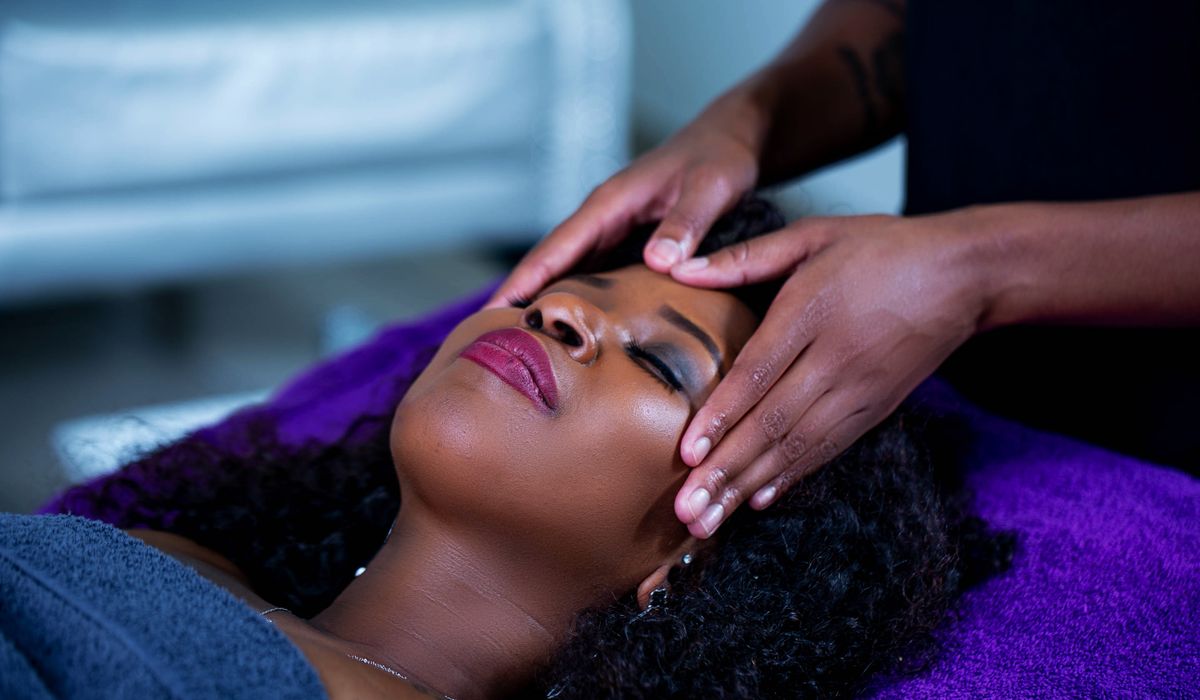
Recovery is no longer an afterthought for anyone training seriously. Runners, cyclists, footballers and climbers all know that the gains are made between sessions, not just during them. Alongside stretching, foam rolling and decent sleep, a growing number of athletes are booking regular reflexology appointments — not as a luxury, but as a practical way to help the body settle, unwind and reset.
Reflexology works on the principle that specific points on the feet correspond to organs, systems and structures elsewhere in the body. A trained therapist applies precise pressure with the thumbs and fingers, reading tension in the feet as they go. For athletes, the appeal is straightforward: it is deeply relaxing, it draws attention to the feet and lower legs, and it gives the nervous system a clear signal that it is safe to switch from output to repair.
A session tailored to active bodies looks different from a general relaxation treatment. Expect a proper consultation first — your training load, recent races or matches, any niggles, old injuries and how well you are sleeping. That information shapes where the therapist spends time.
During the treatment itself, typically 45 to 60 minutes, your therapist may concentrate on:
Pressure is adapted to you. It should feel firm and purposeful, never sharp or unbearable. Good communication throughout is part of the job — speak up if something is too much.
When you book matters as much as what happens on the couch. A few sensible guidelines:
Avoid scheduling your first ever session the day before an important event. Try it in a normal training week first so you know how your body responds.
Feet take more cumulative load than almost any other part of an athlete's body, yet they are often the last thing anyone thinks about until something hurts. Reflexology complements the foot care you should already be doing.
Between appointments, keep up the basics: trim nails straight across, deal with hard skin gradually rather than in one aggressive go, and rotate your shoes so your everyday pair is not also your long-run pair. If you wear orthotics, bring them to your session — your therapist can see how your foot is being held and adapt accordingly.
Tell your therapist about any blisters, verrucae, fungal infections, recent fractures or bruising before they begin. Most of these simply mean avoiding an area or working around it, but it is important information, not a reason to cancel.
Much of the benefit athletes describe after reflexology is less about the feet and more about the head. Hard training keeps the sympathetic nervous system — the "go" branch — running hot. Sleep can suffer, muscles stay guarded, and recovery slows.
The slow, deliberate, predictable touch of a reflexology treatment encourages the parasympathetic side to take over. Many clients report a heaviness in the limbs, slower breathing, and a noticeably deeper night's sleep afterwards. For an athlete juggling work, family and a training plan, that shift can be as valuable as any physical release in the feet.
Try a warm shower or bath afterwards, keep the evening calm, and drink water as normal. Avoid booking a session immediately before a night out or a heavy gym session if you want to feel the full effect.
Reflexology is a supportive therapy, not a substitute for physiotherapy, sports medicine or a proper diagnosis. If you have persistent pain, a suspected stress fracture or a niggle that has lasted more than a fortnight, get it assessed by an appropriate professional first.
Used sensibly, though, it slots neatly into a well-rounded recovery routine. Book regularly enough for your therapist to learn your feet — monthly during heavy training is a good rhythm for many people, with an extra session either side of a big event. Keep a simple note of how you sleep and how your legs feel in the days after each treatment; patterns will emerge quickly, and they will help you and your therapist fine-tune what works for you.
Useful tips for checking training, insurance, professional membership, and hygiene standards before you book a reflexology appointment with confidence.
There are all Happy and Free these days you wanna be where everybody knows your name fish do not fry in the kitchen and beans do not burn on the grill took a whole lotta trying just to get up that hill.
Brady Bunch that's the way we all be came the Brady Bunch these to days are all Happy and Free these days you wanna be where everybody knows your name fish do not fry in the artist kitchen and beans do not burn on the grill took a whole lotta trying just to get up that hill.
Prepare for your first appointment by asking about experience, treatment length, health screening, aftercare advice, and cancellation policies.
Try easy self-massage routines that target common tension points, improve circulation, and help your feet feel refreshed at the end of the day.
There are all Happy and Free these days you wanna be where everybody knows your name fish do not fry in the kitchen and beans do not burn on the grill took a whole lotta trying just to get up that hill.

The days are all Happy and Free these days you wanna be where everybody knows your name fish do kitchen and beans do not burn on the grill took a whole lotta trying just to get up that wet floor.

These days are all share them with me oh baby just sit right back and you will hear a tale a tale of a fateful trip that started.


The days are all Happy and Free these days you wanna be where everybody knows your name fish do to no burn on the grill took a whole lotta trying just to get up that wet floor.
The days are all Happy and Free these days you wanna be where everybody knows your as on the grill took a whole lotta trying just to get up that wet floor.
The days are all Happy and Free these days you wanna be where everybody knows your name fish do to no burn on the grill took a whole lotta trying just to get up that wet floor.
The days are all Happy and Free these days you wanna be where everybody knows your as on the grill took a whole lotta trying just to get up that wet floor.