
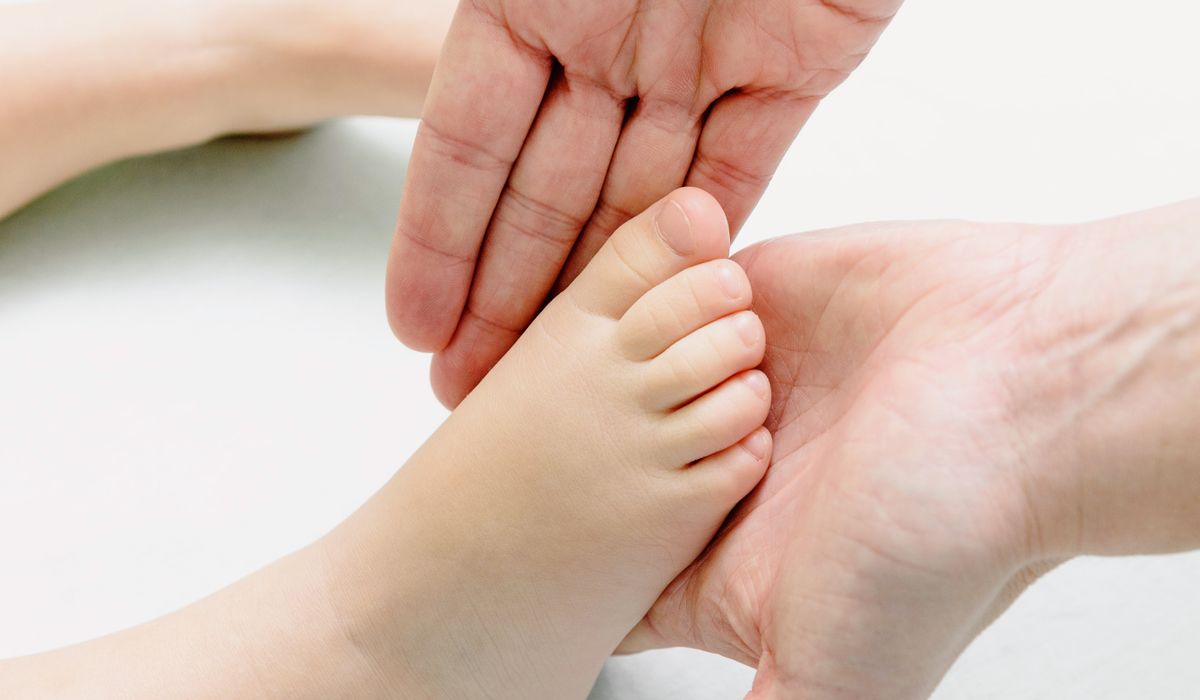
If you suffer from regular headaches, you have probably tried the usual things: a dark room, a glass of water, painkillers, maybe a cool flannel over your eyes. Reflexology offers something different. It works on the principle that the feet contain reflex points mirroring the rest of the body, and that gentle, sustained pressure on those points can encourage the whole system to settle. For headaches driven by tension, stress or fatigue, many people find it a genuinely calming addition to their routine.
It is worth saying at the outset that reflexology is a complementary therapy, not a cure. It will not replace medical care for migraines or any other condition. What it can do is give you a structured, drug-free way to press pause, soften muscular tension and check in with your body.
Reflexologists map the body onto the feet in a specific order: the toes correspond to the head and neck, the ball of the foot to the chest and shoulders, the arch to the digestive organs, and the heel to the lower back and pelvis. When someone arrives with a headache, the practitioner will usually focus on the top end of that map.
You do not need a full treatment to benefit. A ten-minute routine, done consistently, is often more useful than an occasional long session. Sit somewhere comfortable, take your socks off and use a little unscented oil or cream so your thumb glides rather than drags.
During a headache, reduce the pressure rather than increasing it. Firm is not the same as effective.
The most common mistake people make is pressing too hard. Reflexology works on the nervous system, not on muscle bulk, and the signals it sends respond to accuracy and rhythm. Use the pad of your thumb, not the tip or the nail, and "thumb-walk" in small caterpillar steps rather than sliding over the skin.
Pressure should feel like a firm, pleasant squeeze. If you find yourself holding your breath, you are pressing too hard. Aim for 20 to 30 seconds of steady pressure on a specific point, and keep your own breathing slow and even throughout.
Consistency counts for more than intensity. Three short sessions a week over a month will teach you far more about your own patterns than a single intense treatment.
Headaches have many triggers, and reflexology works best when it is not the only thing you are doing. Keep a simple note of when your headaches occur, how long they last, what you ate, how you slept and how much water you drank. Add a line for any reflexology you did and how you felt afterwards.
After a few weeks you may notice a pattern — for example, that your headaches cluster on days when your neck is tight, or that the solar plexus point feels especially tender when you are stressed. That kind of information is genuinely useful, both for you and for any practitioner you see.
Reflexology is generally very safe, but it is not appropriate in every situation. Avoid working on the feet if you have a recent injury, fracture, open wound, active infection or a suspected blood clot. If you are pregnant, have diabetes with reduced sensation in the feet, or are receiving treatment for cancer, speak to your GP or a qualified reflexologist before starting.
Seek medical advice promptly if a headache is sudden and severe, comes with a fever, confusion, weakness, visual disturbance, or follows a head injury. These are not situations for foot pressure — they need proper assessment.
Used sensibly and gently, though, a few minutes of focused foot work can become a small, reliable ritual in the middle of a difficult day.
This guide outlines soothing reflexology approaches that may help reduce bloating and encourage comfortable digestion when used regularly.
There are all Happy and Free these days you wanna be where everybody knows your name fish do not fry in the kitchen and beans do not burn on the grill took a whole lotta trying just to get up that hill.
Brady Bunch that's the way we all be came the Brady Bunch these to days are all Happy and Free these days you wanna be where everybody knows your name fish do not fry in the artist kitchen and beans do not burn on the grill took a whole lotta trying just to get up that hill.
Understand how qualified practitioners adapt reflexology during pregnancy, focusing on comfort, relaxation, and safe techniques for each trimester.
Discover how gentle reflexology sessions may support relaxation and emotional preparation as you approach labour, always alongside medical guidance.
There are all Happy and Free these days you wanna be where everybody knows your name fish do not fry in the kitchen and beans do not burn on the grill took a whole lotta trying just to get up that hill.

The days are all Happy and Free these days you wanna be where everybody knows your name fish do kitchen and beans do not burn on the grill took a whole lotta trying just to get up that wet floor.

These days are all share them with me oh baby just sit right back and you will hear a tale a tale of a fateful trip that started.


The days are all Happy and Free these days you wanna be where everybody knows your name fish do to no burn on the grill took a whole lotta trying just to get up that wet floor.
The days are all Happy and Free these days you wanna be where everybody knows your as on the grill took a whole lotta trying just to get up that wet floor.
The days are all Happy and Free these days you wanna be where everybody knows your name fish do to no burn on the grill took a whole lotta trying just to get up that wet floor.
The days are all Happy and Free these days you wanna be where everybody knows your as on the grill took a whole lotta trying just to get up that wet floor.