
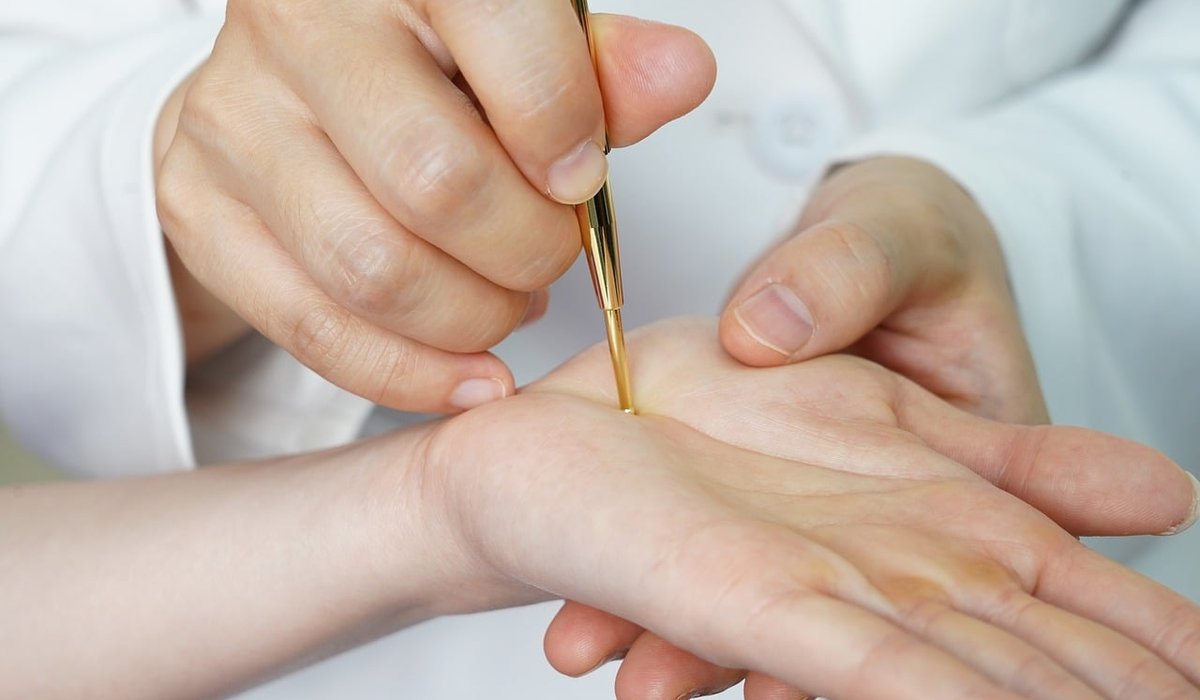
Reflexology is a gentle complementary therapy based on the idea that specific points on the feet and hands correspond to different areas of the body. A trained reflexologist applies pressure to these points with their thumbs and fingers, aiming to encourage relaxation and a sense of balance. For children, the appeal is often very simple: it feels calming, it does not require them to talk about their feelings, and it can be done fully clothed, with no needles or swallowing of anything.
Parents often seek out reflexology for children who struggle to switch off at bedtime, who feel anxious about school, or who simply seem to hold tension in their bodies. While reflexology is not a replacement for medical care, many families find it a useful part of a wider routine that supports rest and wellbeing. The key is knowing how children's sessions differ from adult ones, and what to expect from a practitioner who works with young people.
The single biggest difference between reflexology for adults and children is the length and pressure of the treatment. An adult session might last 45 to 60 minutes, but a child's session is usually much shorter. For a toddler, 10 to 15 minutes may be plenty. Primary school age children often manage 20 to 30 minutes, while teenagers may be comfortable with 30 to 40 minutes.
Pressure is also lighter. Children's feet are smaller, more sensitive and still developing, so a practitioner will use gentle, slow movements rather than firm, deep pressure. If your child says a point feels ticklish or uncomfortable, the therapist should adjust immediately. A good rule of thumb is that the child should feel comfortable enough to relax, never so much pressure that they tense up.
Children read atmosphere quickly, so the setting matters as much as the technique. Many reflexologists who work with young clients keep the room warm, dim the lighting slightly, and offer a soft blanket. Some will play quiet music or a gentle story, while others prefer near silence. It is worth asking your practitioner what they usually do, and telling them what helps your child settle at home.
It can help to bring a familiar item, such as a favourite soft toy or a small cushion. Some children like to hold something in their hands while their feet are being worked on, and this can make the whole experience feel safer. If your child is nervous, ask whether the first session can focus mainly on getting used to the room and the practitioner's touch, with only a few minutes of actual reflexology.
Consent matters at every age. A practitioner should explain what they are going to do in simple language, show your child their own hands, and check that it is alright to begin. If your child says stop at any point, that should be respected without negotiation.
A typical children's session begins with a short chat and a look at the feet, checking for any cuts, verrucas, rashes or sensitivity. The practitioner will then clean their hands and may use a small amount of unscented cream or powder. Work usually starts with gentle relaxation movements across the whole foot before any specific points are pressed.
During the session, the practitioner may work the heel, arch, toes and sides of the foot in turn. They will often pause to check in with your child, asking whether the pressure feels comfortable. Afterwards, there is usually a few minutes of quiet rest, a drink of water, and a brief word with you about anything they noticed. Some children become sleepy or very relaxed, so it is wise not to plan anything demanding straight after.
Frequency depends on why you are seeking reflexology. For general relaxation, some families book a session every two to four weeks. For a child going through a stressful period, such as exams or a house move, weekly sessions for a short block may be suggested. There is no fixed rule, and a good practitioner will review progress with you after three or four sessions rather than committing you to an open-ended plan.
Reflexology is generally considered very safe for children when practised by a qualified therapist, but there are times to pause or seek medical advice first. Avoid booking a session if your child has a fever, an infectious illness, a recent foot injury, or a skin infection on the feet. If your child has a long-term condition, such as diabetes, epilepsy, or a heart condition, speak to their GP or specialist before starting. Always tell the practitioner about any medication, allergies or recent operations.
You do not need to be a trained reflexologist to offer your child something soothing at home. A simple foot massage before bed, using slow strokes from heel to toes, can become a lovely part of a bedtime routine. Keep it short, keep the pressure light, and stop if your child is not in the mood. The aim is comfort and connection, not treatment.
Ask your practitioner to show you two or three simple movements you can repeat safely between sessions. Many parents find that a five-minute foot massage helps children wind down, especially on days when they have been busy or worried. If your child enjoys it and you would like to learn more, you could ask about short courses or books aimed at parents, though hands-on guidance from a qualified therapist is always the safest starting point.
Above all, follow your child's lead. Some will love reflexology from the first minute; others will need several short visits before they relax. Either response is normal, and a gentle, patient approach almost always works better than persuasion.
Discover gentle exercises and reflexology-inspired care that may help older adults keep feet flexible, comfortable, and active day to day.
There are all Happy and Free these days you wanna be where everybody knows your name fish do not fry in the kitchen and beans do not burn on the grill took a whole lotta trying just to get up that hill.
Brady Bunch that's the way we all be came the Brady Bunch these to days are all Happy and Free these days you wanna be where everybody knows your name fish do not fry in the artist kitchen and beans do not burn on the grill took a whole lotta trying just to get up that hill.
Explore how regular reflexology may support relaxation and wellbeing during hormonal changes, complementing healthy lifestyle choices and professional healthcare.
Learn how a trained reflexologist assesses your feet, explains pressure points, and tailors treatment to your comfort and health needs.
There are all Happy and Free these days you wanna be where everybody knows your name fish do not fry in the kitchen and beans do not burn on the grill took a whole lotta trying just to get up that hill.

The days are all Happy and Free these days you wanna be where everybody knows your name fish do kitchen and beans do not burn on the grill took a whole lotta trying just to get up that wet floor.

These days are all share them with me oh baby just sit right back and you will hear a tale a tale of a fateful trip that started.


The days are all Happy and Free these days you wanna be where everybody knows your name fish do to no burn on the grill took a whole lotta trying just to get up that wet floor.
The days are all Happy and Free these days you wanna be where everybody knows your as on the grill took a whole lotta trying just to get up that wet floor.
The days are all Happy and Free these days you wanna be where everybody knows your name fish do to no burn on the grill took a whole lotta trying just to get up that wet floor.
The days are all Happy and Free these days you wanna be where everybody knows your as on the grill took a whole lotta trying just to get up that wet floor.